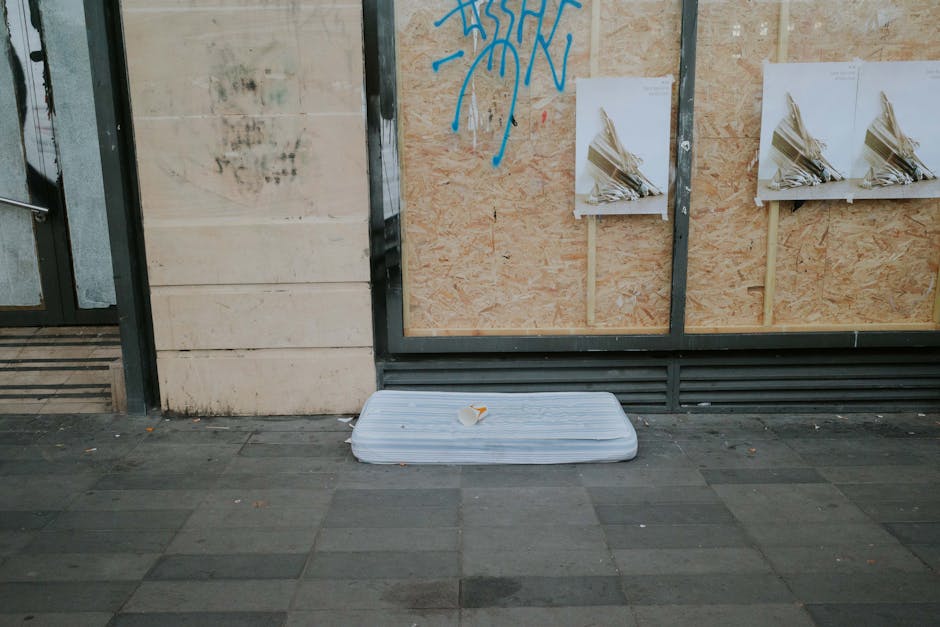
Avoid fines in Putney: mattress & upholstery disposal laws
If you are trying to get rid of an old mattress, a tired sofa, or a few bulky upholstered chairs in Putney, the rules can feel annoyingly unclear. One minute it seems like "just a bit of rubbish," and the next you are hearing about fly-tipping fines, council collection charges, or rejected items left on the kerb. Truth be told, that confusion is where most avoidable problems start.
This guide explains Avoid fines in Putney: mattress & upholstery disposal laws in plain English. You will learn what the rules mean in practice, why mattresses and upholstered furniture are treated differently from normal household waste, how to dispose of them without causing trouble, and what mistakes people make when they are in a rush. If you are moving out, decluttering, or clearing a property, this is the sort of information that can save you time, money, and a very awkward knock on the door.
Expert summary: the safest approach is simple: do not dump bulky furniture, do not leave it outside unless a collection has been arranged, and always use a lawful disposal route that matches the item type. If an item contains upholstery, padding, springs, or mixed materials, treat it as a bulky waste item and plan ahead. That little bit of planning goes a long way.
Why Avoid fines in Putney: mattress & upholstery disposal laws Matters
Mattresses and upholstered furniture are not treated like an ordinary bin bag for a reason. They are bulky, awkward, and often made from mixed materials that need to be handled properly. In a place like Putney, where pavements can be busy and storage space is limited, an item left outside "for later" can quickly become a nuisance, an obstruction, or an illegal dump.
The biggest issue is responsibility. If you place waste out without proper arrangements, or hand it to someone who later dumps it somewhere else, you can end up dealing with the consequences. That can mean a fine, a warning, or the hassle of proving you acted responsibly. Nobody wants that. Especially not over an old mattress that should have been gone by Tuesday afternoon.
There is also a practical side. Upholstered items can absorb dirt, moisture, and odours. A soggy sofa on a wet London morning is not only unpleasant; it can attract complaints fast. And if you are in the middle of a move or tenancy change, one complaint can snowball into a deposit dispute. So yes, the rules matter. But even more than that, the process matters.
If your household needs broader support while clearing space, it can help to think about the job in layers. For example, a full house clearance may deal with mattresses alongside other bulky items, while a one-off tidy-up may only need targeted removal and a proper collection plan.
How Avoid fines in Putney: mattress & upholstery disposal laws Works
In simple terms, the law and local waste rules expect you to dispose of bulky household items through an authorised route. That usually means one of a few options: arranging a council bulky waste collection, taking the item to an appropriate disposal site if you can transport it legally and safely, or using a legitimate clearance service that handles waste correctly.
The key point is that the item must end up somewhere authorised. Not on the pavement. Not in a communal hallway. Not tucked beside the nearest wheelie bin because "someone will take it." That last one is a classic mistake, and it rarely ends well.
Mattresses and upholstered furniture often fall into bulky waste because of their size and composition. A mattress may include foam, springs, fabric, and sometimes fire-retardant materials. Upholstered items such as sofas, armchairs, headboards, and dining chairs with padded seats can be similar. The mixed material structure is why they are usually handled separately from regular household rubbish.
There is another layer to this: items can be accepted or refused depending on condition, contamination, and collection rules. A dry mattress wrapped for transport may be easier to manage than one that is heavily damp, infested, or damaged beyond safe handling. If the item is contaminated, you need to be extra careful. No shortcuts there.
For households that are already reorganising rooms or replacing soft furnishings, related services can fit into the same project. A deep refresh before or after disposal is often useful, and a deep cleaning service can help remove dust, fibres, and lingering marks once bulky items have gone.
Key Benefits and Practical Advantages
Following the rules is not just about avoiding a fine. It makes the whole job easier and safer, and you usually end up with a better result.
- Lower risk of penalties: you avoid the obvious issue of illegal dumping or improper placement.
- Less stress: you are not watching the window wondering whether an item left outside will create a complaint.
- Cleaner property handover: useful if you are moving out, selling, or preparing a room for re-use.
- Better hygiene: damaged mattresses and soft furnishings can carry dust, odour, or pests.
- More efficient space management: once the bulky item is gone, you can actually see what needs doing next. Strange how satisfying that is.
There is also a safety benefit. Carrying an old sofa down narrow stairs or lifting a heavy mattress into a car boot is not harmless work. It is awkward, easy to damage walls, and a bit of a back-risk if you are not careful. If the item is large, dead weight, or awkwardly shaped, professional help may simply be the sensible route. Not glamorous, but sensible.
For upholstered furniture that has seen better days but still needs careful handling, you might also consider whether the item can be cleaned before disposal, donation, or re-use in another room. In some cases, sofa cleaning or upholstery cleaning can extend the life of furniture enough to delay disposal altogether.
Who This Is For and When It Makes Sense
This guidance is for anyone in Putney dealing with bulky soft furnishings. That includes tenants, landlords, homeowners, letting agents, flat sharers, and anyone managing a clear-out after a renovation or move. If you have just swapped a bed, replaced a sofa, or inherited furniture from a relative's property, you are in the right place.
It makes sense especially when time is tight. Moving day has a habit of compressing decisions. The old mattress is suddenly "in the way," the lift is booked, and there is a van outside. That is exactly when people make rushed choices. A little forward planning is easier than dealing with a fine or a frustrated neighbour later on.
It also makes sense when an item is too large for normal bin service, too heavy to move alone, or too awkward to fit into a small vehicle. In an average Putney home, especially flats and terraced properties, access can be the real problem. Narrow hallways and shared entrances do not forgive careless lifting. They also do not forgive leaving a sofa in the common area overnight. Fair enough, really.
If the property is being cleaned in stages, related services like end of tenancy cleaning or domestic cleaning can slot into the schedule after disposal. That way, the space is cleared first and then properly finished, rather than cleaned around an item that should have gone hours ago.
Step-by-Step Guidance
Here is a straightforward way to handle mattress and upholstery disposal without getting caught out.
- Identify the item properly. Is it a mattress, sofa, armchair, futon, or upholstered headboard? Mixed-material items often need the same careful disposal approach.
- Check its condition. If it is wet, contaminated, badly damaged, or infested, take extra care and do not drag it through communal areas without protection.
- Choose the right disposal route. Use a lawful bulky waste collection, arrange a legitimate clearance, or take it to an appropriate facility if that is practical and allowed.
- Book ahead. Do not leave it to the last minute. A collection slot is easier to manage than an item sitting by the front door for two days.
- Prepare the item for handling. Remove bedding, loose cushions, and detachable parts. Wrap or protect the item if required for transport.
- Move it safely. Use two people where possible. Keep fingers clear of pinch points. Watch corners, walls, and stairs. You know how quickly a scuffed wall becomes annoying.
- Keep proof of proper disposal. If someone else is removing the item, make sure you know who they are and retain any receipt or record you are given.
For larger clear-outs, it often helps to group disposal with other tasks. For example, if the property is also getting ready for repainting, post-renovation tidying, or dust removal, combining it with one-off cleaning can save time and reduce the number of separate visits.
Expert Tips for Better Results
There are a few small habits that make a big difference, and they are easy to miss when you are in a rush.
Tip one: don't confuse "unwanted" with "waste." If a sofa is still usable, it may deserve a different route from a broken mattress that cannot be reused. That distinction matters because the best disposal method changes with condition.
Tip two: plan for access. Putney properties often involve tight corridors, steps, shared entrances, or awkward parking. If you can measure the item and the route out before moving day, do it. It feels a bit overcautious until you reach the staircase and realise the sofa has other ideas.
Tip three: avoid leaving anything outside "temporarily." A mattress leaning against a wall or a chair on the pavement can attract complaints quickly. In the eyes of neighbours and enforcement teams, temporary often looks a lot like abandonment.
Tip four: keep soft furnishings dry. Even a short spell in rain can make a mattress far harder to handle and, depending on the collection method, may complicate acceptance. A dry item is simply easier.
Tip five: if in doubt, ask before moving. This is the boring answer, but the correct one. Different collection routes and item conditions can change what is allowed.
There is a helpful mindset here: treat disposal as part of the project, not the afterthought. If you are already hiring a cleaning company for the rest of the property, it may be worth asking whether the job can be coordinated with your schedule, especially if you are trying to clear and reset a space in one go.
Common Mistakes to Avoid
Most disposal problems come from a short list of avoidable errors.
- Leaving items on the street without arrangement. This is the fastest route to trouble.
- Assuming someone else will take responsibility. If it is your waste, the duty of care is still your problem.
- Using an unverified remover. If waste disappears from your property and reappears elsewhere, you may still be involved in the fallout.
- Forgetting communal areas. A hallway is not a storage unit. It never was.
- Ignoring contamination. Damp, mouldy, or pest-affected items need more careful handling.
- Waiting until the last day of a tenancy. That is how people end up making expensive decisions in a panic.
One smaller but very common issue is underestimating bulk. A rolled mattress may look manageable, but once you start turning it through a tight doorway, it becomes a different beast. Upholstered furniture does that too. It looks friendly right up until the lifting starts.
If you are decluttering a whole property and also dealing with dust, leftover debris, or a room that has just had works completed, a coordinated approach helps. In those cases, after builders cleaning can be the right follow-on once the bulky items are gone.
Tools, Resources and Recommendations
You do not need specialist equipment for every job, but a few basic items make disposal much safer and cleaner.
- Work gloves: useful for grip and protection.
- Dust sheets or wrapping: helps protect walls and floors during movement.
- Strong tape or straps: can keep loose parts together.
- Tape measure: surprisingly useful if the item has to travel through narrow access points.
- Clear route plan: yes, a route plan. The old "we'll just wing it" approach is where things go sideways.
For service planning, it also helps to review a provider's practical policies, especially if you want reassurance around handling and trust. Pages such as health and safety policy, insurance and safety, and recycling and sustainability can help you understand how a company approaches safe, responsible work.
If you are comparing prices or want to understand what to expect before booking, the site's pricing and quotes information can be a useful starting point. And if you simply want to speak to someone about timing or access, the contact page is there when you need it.
Law, Compliance, Standards, or Best Practice
For this topic, the safe public-facing advice is to follow the relevant local waste rules, use authorised disposal routes, and keep a record of who took the item and when. In the UK, waste responsibilities generally sit with the person producing the waste until it has been handed to someone authorised to carry it away. That is the broad principle, and it is the one most people need to understand.
Practically, that means you should not assume that a cheap removal offer is automatically compliant. If the arrangement is informal, untraceable, or too good to be true, that is a red flag. Better to pay for proper handling than to chase a problem later. Nobody wants to be explaining where an old sofa went, especially not when a neighbour has already taken a photo.
Best practice for mattress and upholstery disposal in Putney usually looks like this:
- keep the item on your property until collection is confirmed;
- use a service that can explain where the waste will go;
- avoid blocking shared access or pavements;
- document the handover where possible;
- separate reusable items from damaged or contaminated ones;
- plan disposal before the moving truck arrives, not after.
If a tenancy is ending, the order of operations matters. Clear the bulky waste first, then clean. It is a small sequence change, but it prevents a lot of mess and confusion. Honestly, it makes the whole job feel much less chaotic.
Options, Methods, or Comparison Table
Different disposal routes suit different situations. Here is a simple comparison to help you decide what fits best.
| Method | Best for | Pros | Things to watch |
|---|---|---|---|
| Arranged bulky waste collection | Single mattress or sofa, planned removal | Structured, usually straightforward, less lifting for you | Needs booking; check item rules and presentation requirements |
| Professional clearance | Multiple bulky items or full room clear-outs | Fast, convenient, less manual handling | Choose carefully and confirm responsible disposal |
| Self-transport to a disposal point | People with suitable access and vehicle | Can work well if you already have transport | Heavy lifting, loading risks, and time costs |
| Reuse, resale, or donation route | Usable furniture in decent condition | Extends life of the item, may reduce waste | Not suitable for damaged, damp, or contaminated items |
In practice, the best option is often the one that matches the condition of the furniture and the access you have. A single heavy sofa in a top-floor flat is not the same as a small chair from a ground-floor property. Common sense counts here, more than people sometimes expect.
Case Study or Real-World Example
Picture a typical Putney flat clear-out. The tenant is due to leave on Friday, the landlord wants the place ready for inspection, and a mattress plus an old two-seater sofa are still in the bedroom and living room. At first, it seems easy: move them outside on Thursday night and "sort it in the morning."
That plan falls apart fast. The building has shared access, the pavement is narrow, and a neighbour is already annoyed by the hallway clutter. The smarter choice is to book removal in advance, keep the items inside until the collection window, and protect the route out. Once the bulky pieces are gone, the remaining dust and marks are easier to deal with, and a final clean can be completed properly.
What changed? Not much, really. Just timing, organisation, and a bit of care. But that difference is often what separates a smooth handover from a stressful one. In our experience, people rarely regret planning ahead. They usually regret the bit where they didn't.
After the items are removed, the room can be reset with lighter tasks: vacuuming fibres, wiping skirting, and dealing with any marks left by movement. A focused service such as house cleaning or home cleaners can then finish the job without working around clutter.
Practical Checklist
Use this checklist before you move or dispose of a mattress or upholstered item in Putney.
- Confirm what the item is and whether it counts as bulky waste.
- Check whether it is reusable, repairable, or only fit for disposal.
- Measure the item and check doorways, stairs, and access points.
- Choose a lawful disposal route before moving day.
- Keep the item on your property until collection is confirmed.
- Remove bedding, loose parts, and anything that could fall off in transit.
- Protect floors, walls, and shared areas during removal.
- Keep any receipt, booking confirmation, or service record.
- Arrange cleaning only after the bulky item is out.
- Do a final walk-through to make sure nothing has been left behind.
If you are dealing with multiple rooms, items, and cleaning tasks at once, it can help to work in stages. For example, carpeted rooms often benefit from carpet cleaning after furniture has been removed, because it is much easier to clean a floor when the heavy items are no longer sitting on it. Simple, but effective.
And if you are still unsure where to begin, that is normal. Most people are juggling a dozen things at once. Start with the bulky item. Everything else gets easier after that.
Conclusion
Avoiding fines in Putney comes down to one thing: treating mattress and upholstery disposal as a real responsibility, not a last-minute inconvenience. Once you know that bulky soft furnishings need authorised handling, the rest becomes much clearer. Book ahead, choose a lawful route, keep shared spaces clear, and avoid the tempting shortcut of putting items outside "just for now."
The good news is that you do not need to overcomplicate it. A little planning, safe lifting, and the right disposal method will usually save far more trouble than it costs. And once the old mattress or sofa is gone, the room can breathe again. That bit is always satisfying. The silence after the clutter is gone, the extra space, the clean floor showing through - you notice it straight away.
If you want a neat, compliant way to clear a property and move on with the rest of your day, focus on the process first and the clean-up second. That order matters. It really does.
Get a free quote today and see how much you can save.
Frequently Asked Questions
Can I leave an old mattress outside my home in Putney?
Only if it is being collected through a proper arranged service and you have followed the collection instructions. Leaving it outside informally can create a fly-tipping risk and may lead to enforcement action.
Are sofas and armchairs treated the same as mattresses?
Often, yes, in practical terms. Upholstered furniture is usually managed as bulky waste because it is large, awkward, and made from mixed materials that need careful disposal.
What happens if I hire someone to remove my furniture and they dump it illegally?
You may still need to show that you used a responsible and authorised arrangement. Keep records, receipts, or confirmation details wherever possible. It is the boring paperwork that saves hassle later.
Do I need to wrap a mattress before disposal?
Sometimes collection services request wrapping or protection, especially if the item is being carried through communal areas or loaded into a vehicle. Check the instructions before moving it.
Can I put a broken sofa in my general rubbish bin?
No, not in normal circumstances. It is too bulky for regular household waste collection and should be handled through an appropriate bulky waste or clearance route.
Is it better to sell or donate an upholstered item instead of throwing it away?
If the item is clean, safe, and usable, re-use is often the better option. If it is damaged, damp, infested, or heavily worn, disposal is usually the realistic choice.
What if my mattress is wet or mouldy?
Take extra care and avoid dragging it through the property without protection. Wet or mouldy items can be unpleasant, heavier, and more difficult to handle safely.
How far in advance should I arrange mattress disposal?
As early as possible, especially if you are moving house or ending a tenancy. Even a few days' lead time can make the difference between a calm job and a rushed one.
Can bulky furniture disposal be combined with cleaning?
Yes, and that is often the smart way to do it. Once the furniture is removed, cleaning is simpler and more thorough. Services such as one-off cleaning can fit neatly into the same plan.
What should I do before a landlord inspection or move-out date?
Remove bulky items first, then clean the property thoroughly. That sequence gives you a better finish and reduces the risk of leaving marks, dust, or forgotten items behind.
Are there special rules for upholstered furniture with fire-retardant fillings?
Items with mixed or specialist fillings may need specific handling depending on their condition and the collection route. If you are unsure, ask before moving them.
Who should I contact if I need help with the removal and the clean-up together?
If you want to coordinate the work, start with a provider that can advise on planning, safe handling, and the follow-on clean. You can review service information, check policies, and use the contact page to ask what fits your situation.