Mould removal for SW15 homes: Putney specialists
If you live in SW15, you already know how quickly a damp patch can become a bigger headache than it first looks. One week it is a faint shadow behind a wardrobe; the next, you are noticing that musty smell, peeling paint, or black spotting around a window frame. That is where Mould removal for SW15 homes: Putney specialists becomes more than a tidy-up job. It is about protecting the home, the fabric of the property, and the comfort of the people living there.
This guide walks you through what mould removal involves, why it matters in Putney homes, how a proper service works, and what to look for before you book anyone in. You will also find practical prevention tips, a comparison of common methods, a realistic checklist, and straight answers to the questions people tend to ask when they are dealing with mould for the first time. To be fair, it is one of those problems that feels small right up until it does not.
Why Mould removal for SW15 homes: Putney specialists Matters
Mould is not just an eyesore. In homes across Putney, it usually points to a moisture problem somewhere in the background: condensation on cold surfaces, poor ventilation, water ingress, leaks, or building materials that have absorbed moisture over time. In older terraces, flats with tricky airflow, and homes with busy family routines, those conditions are not unusual.
The reason it matters is simple. If you only clean the visible marks, the mould often returns. That can mean repeated damage to plaster, paint, sealant, timber, soft furnishings, and sometimes carpets too. It can also make a room feel permanently stale, which nobody wants in a bedroom or lounge.
There is a practical side to this as well. A well-handled mould removal job helps you understand why the mould appeared in the first place. That is the bit many people miss. You do not just want a prettier wall; you want a home that stays dry enough for the problem not to keep coming back.
In SW15, the mix of river air, everyday household humidity, and property types means some rooms are simply more likely to suffer. Bathrooms without good extraction, kitchens with heavy cooking, bedrooms with furniture pushed tightly against cold external walls, and storage areas with limited airflow all deserve a closer look.
Expert summary: the best mould removal work is not just removal. It is removal plus diagnosis, cleaning plus prevention, and a realistic plan for stopping repeat growth.
If you are comparing providers, it is worth choosing a local cleaning company that understands not only the stain itself, but the conditions that let it spread. A broader service background can help, especially where mould has affected carpets, upholstery, or a room that needs a deeper reset. For some households, that can sit alongside deep cleaning or even targeted domestic cleaning to bring the space back to normal properly.
How Mould removal for SW15 homes: Putney specialists Works
A proper mould removal process starts with inspection. The cleaner should identify the affected surfaces, look for signs of damp, and note whether the growth seems to be surface-level or linked to a deeper moisture issue. That distinction matters. Surface mould can often be removed safely with the right method. Penetrating damp or hidden leaks may need a different approach, or at least a warning that cleaning alone will not solve everything.
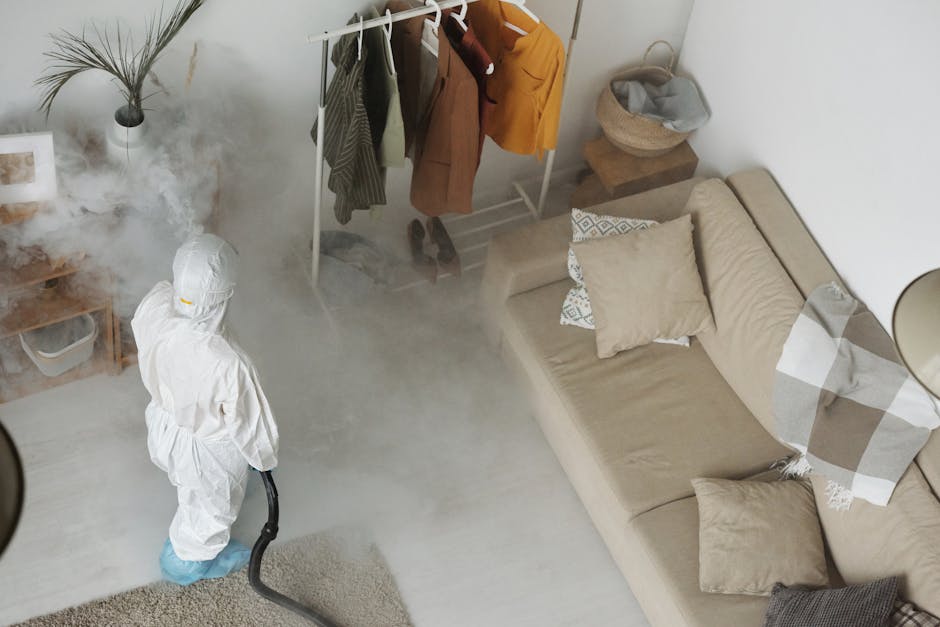
Next comes preparation. The area is usually isolated as much as possible, furniture may be moved, and protective measures are taken to reduce the chance of spores spreading through the room. Windows might be opened if weather and the layout allow it. The goal is controlled, not rushed. Rushing is how people make a mess of it. Honestly, mould has a way of punishing shortcuts.
After that, specialist cleaning products or techniques are applied to remove the visible growth. Depending on the surface, that could include wiping, agitation, targeted treatment, or a carefully managed deep clean. Good practice is to avoid simply scrubbing dry mould aggressively, because that can spread contamination and mark the surface worse than before.
Once the visible mould is removed, the area should be dried and assessed again. If the room has ongoing condensation, the underlying cause needs attention too. That may involve better ventilation, dehumidification, furniture spacing, or dealing with a leak. Sometimes it is obvious; sometimes the issue hides behind a skirting board or window reveal and needs a bit of detective work.
In homes where mould has spread onto adjacent materials, a broader clean may be needed. For example, if black spotting has reached fabric chairs, a upholstery cleaning service may be more suitable than attempting to treat it as a wall-only issue. If the damp has affected flooring, a separate approach may be needed for hard floor cleaning or nearby carpet treatment.
Key Benefits and Practical Advantages
Professional mould removal is about more than appearance, although that is the first thing people notice. A clean wall without dark spotting can immediately make a room feel brighter and less cramped. That visual relief matters, especially in smaller Putney flats where light already needs a helping hand.
There are also practical benefits that do not always get the attention they deserve:
- Reduced spread: tackling mould properly can prevent it moving to nearby surfaces, sealants, or soft furnishings.
- Better indoor comfort: removing the source of that damp, stale smell can make the whole room feel fresher.
- Less repeat damage: paint, plaster, window reveals, and timber are less likely to suffer ongoing deterioration.
- Clearer next steps: a good service helps you understand whether the problem is cosmetic, moisture-related, or structural.
- More suitable finish: a room that has been cleaned correctly is easier to redecorate or reoccupy with confidence.
There is another advantage that people often discover only after the work is done: peace of mind. You stop staring at the patch every time you walk past it. You stop wondering if it is getting worse. That mental relief is real, and not a small thing.
For landlords, letting agents, and tenants dealing with end-of-tenancy deadlines, this can matter a lot. If mould is visible during a move-out, the property may need a fast, focused treatment before the final inspection. In those cases, it can be sensible to combine mould removal with end of tenancy cleaning so the whole home is presented cleanly and consistently.
Who This Is For and When It Makes Sense
This service makes sense for a wide range of SW15 homes. Not everyone needs the same level of treatment, though. Some people only need help with a small condensation patch in a bathroom. Others are dealing with recurring mould in a rental flat, a post-renovation issue, or widespread staining across multiple rooms.
Typical situations include:
- black mould around bathroom ceilings, grout, or sealant
- condensation mould behind wardrobes or beds on external walls
- window-frame mould from cold bridging or poor airflow
- mould after a leak, roof issue, or overflow incident
- musty smells in storage rooms, cupboards, or hallways
- mould affecting carpets, curtains, sofas, or mattresses nearby
It also makes sense if you are preparing a property for sale, tenancy renewal, or family use after a period of neglect. A one-off, targeted clean can make a striking difference. If the job is part of a wider reset, one-off cleaning can be a sensible way to address several problem areas in one visit rather than treating them piecemeal.
Let's face it: some mould issues are also emotional. People feel embarrassed by them, as if they have done something wrong. In many cases, that simply is not true. Victorian walls, modern flats, winter condensation, and daily living all create conditions where mould can appear. The key is acting early and sensibly, not beating yourself up over it.
Step-by-Step Guidance
If you are wondering what to expect, here is a practical outline of how a good mould removal visit usually goes.
- Initial assessment: the affected area is checked, along with nearby surfaces, to judge how widespread the issue is.
- Identify the likely cause: condensation, leak traces, airflow problems, or surface contamination are considered.
- Prepare the room: furniture is moved or protected, and the area is set up to minimise spread.
- Treat the mould: a suitable method is used for the surface in question, rather than a one-size-fits-all approach.
- Remove residue: loosened growth and staining are cleaned away carefully.
- Dry and reassess: the surface is checked again once treated.
- Preventive advice: you should be told what to change at home to reduce recurrence.
That final step is crucial. If nobody explains prevention, you may end up back at square one. A decent specialist will usually mention airflow, heating patterns, condensation control, and furniture placement in plain English. No jargon needed.
There is also a sensible difference between cleaning the immediate area and cleaning the surrounding space. If mould has left residues on nearby fabrics or soft surfaces, the room may benefit from a wider reset, perhaps with sofa cleaning or a broader cleaning company visit where the whole job is managed consistently.
Expert Tips for Better Results
Here are a few practical tips that make a real difference, and not just on paper.
- Act at the first sign: a small patch is easier to deal with than a room that smells damp every morning.
- Keep furniture off cold external walls: even a small gap can improve airflow and reduce condensation.
- Use extraction properly: run bathroom and kitchen ventilation long enough after showering or cooking, not just while steam is visible.
- Do not trap moisture: drying clothes in closed rooms without ventilation is a classic mould trigger.
- Check behind furniture and curtains: the hidden side of the room is often where the problem starts.
- Let treated surfaces dry fully: painting too soon can seal in moisture and invite the issue back.
A slightly less glamorous tip, but important: open cupboards and wardrobes now and then in colder months. The still air inside them is perfect for condensation. One of those annoying little home truths.
For homes where mould sits alongside general grime or build-up, it can help to combine the visit with house cleaning so dust, residue, and moisture-prone clutter are dealt with together. Clean surfaces are simply easier to monitor, and you will notice any new issues sooner.
Common Mistakes to Avoid
Most mould problems get worse because of a few predictable mistakes. The good news is that they are avoidable once you know what to watch for.
- Using bleach as a cure-all: it can lighten staining on some surfaces, but it does not always solve the underlying issue, and on porous materials it may not be the right answer at all.
- Scrubbing dry mould without protection: this can spread spores and make the clean-up harder.
- Painting over visible growth: it might look better for a week, then the patch often comes straight back.
- Ignoring ventilation: if the room stays damp, the mould will usually return.
- Forgetting soft furnishings: curtains, rugs, and upholstered items can hold damp smells and residues.
- Assuming every stain is the same: some marks are mould, some are water staining, and some are old damage. Treating them all the same is risky.
There is also a timing mistake people make: waiting until the room is "less busy." In practice, that usually means waiting too long. If you see it, sort it. Even if the patch is small and not dramatic. Especially then, really.
Tools, Resources and Recommendations
You do not need a warehouse of equipment to handle mould responsibly, but a few basic tools and sensible materials make a difference.
| Tool or item | What it helps with | Practical note |
|---|---|---|
| Microfibre cloths | Gentle surface cleaning | Useful for wiping treated areas without being too abrasive |
| Protective gloves | Hand protection | Helpful for any direct contact with affected surfaces |
| Face covering | Reducing inhalation of dust or debris | More relevant when a patch is dry or disturbed |
| Ventilation | Drying and airflow | Often the simplest and most overlooked part of the job |
| Dehumidifier | Lowering excess moisture | Can help in rooms that struggle with condensation |
| Cleaning solution suited to the surface | Actual removal | Choice matters; one product does not suit every material |
If the mould issue is tied to window condensation, a separate window clean can also help you see what is happening more clearly. Freshly cleaned glass and frames make it easier to spot recurring moisture patterns. For that, window cleaning can be a useful companion service rather than a cosmetic extra.
For homes with broader damp-related concerns, a trusted cleaners team can sometimes help you tackle the room as part of a larger cleaning plan rather than treating mould as a one-off nuisance. And if you are comparing service scope, pricing and quotes should be requested clearly so you understand what is included before anyone starts work.
Law, Compliance, Standards and Best Practice
Mould removal in a home is not usually about ticking off a single rule book, but there are still important expectations around safety, honesty, and reasonable care. In the UK, landlords and property managers have responsibilities to keep homes reasonably safe and fit for occupation, and tenants should report damp or mould issues promptly rather than leave them hidden behind furniture. That is general practice, but it matters.
From a service point of view, a good operator should follow sensible health and safety procedures, use products appropriately, and avoid making unsupported claims. If a company says it can remove mould but never mentions ventilation, moisture control, or follow-up prevention, that should raise an eyebrow.
It is also sensible to ask how the work will be carried out around personal belongings, vulnerable surfaces, and any existing damage. Some homes need a cautious approach because the plaster is already weak, the paint is flaking, or the room has delicate finishes. A careful method beats a heavy-handed one every time.
If you are using a cleaning provider for mould alongside other services, you may also want reassurance around site conduct and care for the property. Pages such as health and safety policy, insurance and safety, and terms and conditions can help you understand how the business handles risk, access, and expectations.
For households that care about how waste and materials are handled, it is reasonable to ask about disposal and sustainability too. Many people overlook that part, but it is part of being a decent, careful service provider. The same goes for clear communication. No drama, no vague promises.
Options, Methods, and Comparison Table
Different mould situations call for different approaches. Here is a simple comparison to help you think it through.
| Method | Best for | Pros | Limitations |
|---|---|---|---|
| Light surface treatment | Small, early-stage mould on washable surfaces | Fast, focused, low disruption | Not enough if the moisture source is ongoing |
| Deep clean with prevention advice | Recurring condensation mould or larger affected rooms | More thorough, better for repeat issues | Takes longer and may need follow-up changes at home |
| Targeted treatment plus upholstery or carpet care | When mould has affected soft furnishings or flooring | Covers the full problem area, not just the wall | May require several service types |
| DIY spot clean | Very minor surface marks on suitable materials | Quick and inexpensive | Easy to get wrong, and not ideal for hidden or recurring damp |
The main decision is not simply "DIY or professional." It is "how far has the problem spread, and what caused it?" That question determines the right response much more accurately than the colour of the stain ever will. A one-bedroom flat with window condensation is a different situation from a family house with mould behind wardrobes and a history of leaks.
Case Study or Real-World Example
A fairly typical SW15 scenario goes like this: a household notices black mould around a bedroom window and along the back of a wardrobe. At first, the marks are wiped off and painted over. They come back within a few weeks, a bit worse each time. By the time a specialist is called, the room smells musty in the morning and the wardrobe backs have picked up some staining too.
In that kind of case, the right response is not just a quick wipe. The room needs inspection for condensation patterns, attention to airflow, and careful treatment of the affected wall and surrounding surfaces. The furniture may need repositioning. Sometimes the occupant is surprised by how much of the problem is simply trapped air, especially in colder months when windows stay shut and the heating is used in short bursts.
What changed after the proper clean? The visible mould was removed, the room felt less oppressive, and the family finally had a clear idea of what to do next: keep a gap behind the wardrobe, ventilate the room regularly, and check the window area after cold nights. Nothing flashy. Just useful. And that is usually what people actually want.
When mould affects multiple parts of a room, pairing the treatment with one-off cleaning can make the space feel reset rather than half-fixed. In larger homes, a broader domestic visit can also tie in with home cleaners if the goal is to restore the whole home after a damp spell or a period of neglect.
Practical Checklist
Use this checklist before, during, or after a mould removal visit. Simple, but effective.
- Identify where the mould is visible and whether it is spreading
- Check for leaks, condensation, or poor airflow nearby
- Move furniture away from the affected wall if possible
- Keep the area as dry as you can before treatment
- Use the correct method for the surface, not a random shortcut
- Protect nearby soft furnishings and flooring
- Make sure the room is dried properly afterwards
- Ask what caused the mould and how to reduce recurrence
- Watch for return spots over the following days and weeks
- Schedule deeper cleaning if fabrics, carpets, or upholstery were affected
If the area is still giving off a stubborn smell after treatment, do not ignore it. Smell is often the room's quiet warning signal. A fresh room should feel like one again, not just look better for photos.
Conclusion
Mould removal in SW15 homes is one of those jobs that pays off twice: first in how the room looks and feels, and then in how much stress it removes from everyday life. The most useful approach is never just cosmetic. It combines careful cleaning, a proper look at moisture causes, and practical prevention steps you can keep up at home.
If you are dealing with condensation patches, musty smells, or mould that keeps returning, now is the right time to act. Putney homes deserve a clean, dry, livable finish, not a cycle of cover-up and regret. A thoughtful specialist approach can make a genuinely noticeable difference, and usually sooner than people expect.
Get a free quote today and see how much you can save.
And if you do get it sorted, you will feel it the next time you walk into the room. Quieter. Fresher. Better. Sometimes that is all a home needs.
Frequently Asked Questions
What is the best way to deal with mould in a SW15 home?
The best approach is to remove the visible mould safely and then address the cause, whether that is condensation, a leak, or poor ventilation. Cleaning alone is rarely enough if moisture is still present.
Can mould come back after cleaning?
Yes, it can, especially if the room stays damp or airflow is poor. That is why prevention advice matters just as much as the treatment itself.
Is black mould always dangerous?
Not every black stain is the same, and not every dark patch is equally serious. Still, any mould should be taken seriously because it can indicate a moisture problem and may affect comfort or cleanliness.
Should I try to clean mould myself?
Small surface spots on suitable materials may be manageable, but recurring, widespread, or hidden mould is better handled by a specialist. If in doubt, it is usually safer to get advice first.
How long does mould removal usually take?
That depends on the size of the affected area, the surface involved, and whether the problem is superficial or recurring. A small bathroom patch takes far less time than mould that has spread behind furniture or onto fabrics.
Will mould removal fix damp problems?
No, not by itself. Mould removal treats the symptom, but damp control is about the cause. If the moisture source is not addressed, the mould may return.
What rooms in Putney homes get mould most often?
Bathrooms, kitchens, bedrooms on cold external walls, and storage spaces with poor airflow are common trouble spots. Window reveals and behind wardrobes are also worth checking.
Do I need special treatment for carpets or sofas affected by mould?
Often, yes. Soft furnishings can hold moisture, odour, and residue differently from hard surfaces, so they may need their own cleaning approach rather than a wall treatment alone.
Can mould damage paint and plaster?
Yes. Repeated mould growth can stain, weaken, or lift paintwork and may contribute to surface damage over time, especially if moisture keeps returning.
What should I ask before booking a mould removal service?
Ask what method will be used, whether the cause of the mould will be assessed, how nearby surfaces will be protected, and what prevention advice will be given afterwards.
Is mould removal different from deep cleaning?
Yes. Deep cleaning is broader and usually covers the whole room or property, while mould removal focuses on contaminated areas and the moisture conditions behind them. The two can work well together, though.
What is the smartest first step if I notice mould today?
Check the area, avoid scrubbing it dry without a plan, improve ventilation if you can, and arrange a proper assessment soon. Early action almost always makes the job easier.